
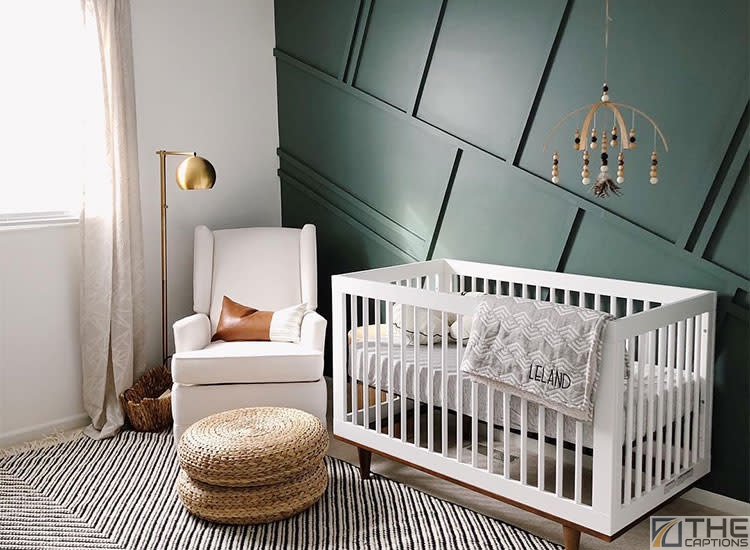
Designing a baby’s bedroom should be joyful—but it often turns into a swirl of color swatches, budget limits, and safety checklists. New parents want a calm, cozy space that feels beautiful but still practical for middle-of-the-night feedings and toddler transitions. Thankfully, today’s online tools make nursery planning intuitive, visual, and affordable. With a little structure and the right digital helpers, you can design a dreamy, safe, and personalized baby room without needing a professional decorator or interior design degree.
1: Start with a digital mood board to define your vision
Before buying anything, start by visualizing the room’s overall look and feel. Pinterest remains one of the best platforms for collecting inspiration, but if you want more control, Milanote offers a free mood board tool that lets you arrange colors, textures, and product links in one place.
Gather five anchor visuals—one color palette, one crib style, one wall design, one storage idea, and one textile pattern—to keep your theme focused. Once your board feels cohesive, label each element by category (lighting, textiles, décor, furniture). That structure will save you hours later when sourcing materials.
Checklist:
- Choose your room theme (modern, boho, neutral, woodland, etc.)
- Save 5–10 high-quality photos per category
- Label ideas by color and material
- Include at least one functional inspiration (like storage or layout)
- Revisit your board weekly to refine it
2: Use 3D room planners to map furniture and flow
Room planning apps are the backbone of smart nursery design. Planner 5D is an easy-to-use web tool that allows you to visualize furniture layouts in both 2D and 3D formats.
For parents who want advanced realism, Roomstyler and Homestyler provide photo-quality renderings and real brand furniture options. Your unique advantage here is safety spacing: you can simulate walking paths to ensure the crib isn’t near windows or vents, and that diaper stations are within reach of storage.
Checklist:
- Input accurate room dimensions
- Position crib away from direct sunlight and cords
- Allow 36 inches of clearance for walking paths
- Group changing and storage zones together
- Save multiple layout versions for flexibility
3: Color your world wisely with digital paint visualizers
The right color palette can make the nursery soothing or overstimulating. Benjamin Moore’s Color Portfolio app lets you virtually paint your walls to see how hues look under different lighting conditions. Sherwin-Williams ColorSnap Visualizer provides similar AR functionality—you can take a photo of your nursery and test hundreds of colors instantly. The secret tip: pick one main wall color (a soft neutral or pastel) and one accent tone that can transition beyond babyhood. Avoid overly bright yellows or reds; they can stimulate rather than calm infants.
Checklist:
- Sample colors under morning and evening light
- Test accent walls digitally before painting
- Use washable paint finishes (like eggshell)
- Keep undertones consistent across décor
- Save your final palette for furniture matching
4: Create a lighting plan with visual mapping tools
Lighting defines the mood—and safety—of your baby’s room. The Lighting Planner from Lutron helps you model brightness zones, while Foyr Neo offers 3D interior visualization that includes realistic light simulation. Aim for three layers of light: ambient (ceiling), task (changing area), and accent (soft lamps or nightlights). Unique tip: install dimmable bulbs with warm tones (2700K–3000K) to mimic sunset light—it signals rest to your baby’s circadian rhythm.
Checklist:
- Use nightlight plugs near outlets, not cribs
- Layer three light types
- Add a dimmer switch or smart bulb
- Avoid overhead-only lighting
- Check bulb safety certifications
5: Design storage and furniture layouts that grow with your baby
Flexibility is the secret to saving money over time. IKEA’s online planner tools help parents design modular storage solutions that adapt as babies grow. For custom furniture visualization, Wayfair’s Room Planner allows you to see product dimensions within your digital room setup. Pro tip: look for multi-functional pieces—a dresser that doubles as a changing table or ottomans with built-in storage. The goal is fewer single-use items and more adaptability.
Checklist:
- Choose convertible crib models
- Prioritize vertical storage
- Include hidden toy storage bins
- Test layout flow in a 3D planner
- Plan one “growth zone” for toddler transition
6: Add décor personality with pattern and texture mockups
Decorating should reflect your family’s story, not just trends. Adobe Express provides free templates for wall art, name signs, and printable quotes that you can color-match to your palette. For personalized wallpapers or murals, Murals Your Way lets you upload designs and visualize them to scale on virtual walls. The unique strategy: mix soft and tactile textures—cotton, muslin, and natural wood—to add sensory comfort. Keep textiles hypoallergenic and washable for practicality.
Checklist:
- Choose 3 textures per room (fabric, wood, rug)
- Test pattern scales (small for walls, large for bedding)
- Customize printable wall décor
- Order fabric swatches before purchase
- Use eco-friendly, non-toxic materials
🍼 FAQ — Pillow design tips for a baby-safe, style-forward nursery
Even though pillows aren’t used inside cribs for infants, they play a big role in accent décor, nursing chairs, and reading nooks. Below are five frequently asked questions new parents have about pillow design when decorating a baby’s bedroom.
1) What’s the safest type of pillow to use in a baby’s room?
For safety, keep pillows out of the crib until your child is at least one year old. Instead, use decorative or nursing pillows for adult seating areas only. Choose firm, supportive fillings like memory foam or polyester that retain shape without sagging, and always use removable, machine-washable covers.
2) How can I create personalized pillows that match my nursery theme?
You can use Adobe Express to make a custom pillow print design with your baby’s name, favorite animals, or nursery color scheme. This is a great way to create keepsakes that double as accent décor—soft, personal, and completely coordinated with your design vision.
3) Which companies offer high-quality, baby-safe pillow customization?
Zazzle offers customizable pillow options with hypoallergenic inserts and organic cotton covers, making it ideal for baby-friendly spaces. Shutterfly also provides durable printing on soft materials, perfect for personalized gifts or family-themed nursery accents.
4) How should I select fabrics and colors for nursery pillow design?
Opt for breathable, natural fabrics such as cotton or linen in pastel or muted hues. Avoid synthetic materials with strong dyes. Stick to two main colors and one accent tone—this maintains harmony and keeps visual clutter low. Wash fabrics before use to remove manufacturing residues.
5) Are there eco-friendly or organic pillow design options available?
Yes. Many online retailers now offer eco-certified pillow materials. Companies like West Elm and Parachute Home provide organic cotton or linen pillow covers with nontoxic dyes, ensuring a safe and sustainable nursery setup. These options not only support the environment but also minimize allergens and synthetic exposure for your baby.
Designing your baby’s bedroom isn’t about perfection—it’s about comfort, safety, and connection. Start by visualizing your theme, then bring it to life with digital tools that help you plan layout, color, light, and décor confidently. Use interactive planners to avoid costly mistakes and mood boards to stay organized amid a thousand adorable options.
In the end, a well-designed nursery balances both practicality and personal warmth. It’s not about how much you spend, but how thoughtfully you combine design, technology, and love. With today’s best online tools, you can turn even a small corner of your home into a peaceful, inspiring space where your baby—and your family—will dream beautifully.

I’m Hafiz Khan is the writer behind TheCaptions, a site that shares fun and creative Instagram captions for every occasion. I love helping people find the perfect words to express themselves on social media. When I am not writing captions, I enjoy keeping up with the latest trends in digital culture.